
ECOMMERCE TOOLS
10 Best Inventory & Order Management Software for Ecommerce (2026)
The right inventory system keeps stock, purchasing and orders aligned as an ecommerce business adds channels, warehouses and fulfillment partners. We compared 10 current options on operational depth, ecommerce fit, workflow control, integrations, value and ability to scale.
Updated: 26 September 2026
👋 New to this category?
Inventory management keeps the quantity and location of sellable stock accurate. Order management pulls customer orders into a workflow for routing, allocation and fulfillment. Warehouse management goes deeper into receiving, picking, packing and stock movement inside locations. A growing Shopify brand might start with basic stock sync, then need purchasing and multiple warehouses, and eventually rules that decide which location or fulfillment partner should ship each order. The products below overlap, but they differ sharply in how much of that operating stack they own.
🧭 Jump to a tool
🏆 The quick answer
🏆 Best overall
Cin7
🌱 Best for getting started
Zoho Inventory
💸 Best value
Veeqo
🏢 Best for larger teams / enterprise
Linnworks
🧠 Best for advanced or technical users
Descartes Finale
🏭 Best for manufacturing-led ecommerce
Katana
MarketMaze take: Start with your operating bottleneck, not the longest feature list. Marketplace-heavy sellers should test order routing and channel sync first; product makers should stress materials and assemblies; warehouse-led businesses should test receiving, picking and location control. Shortlist two or three products whose natural operating model matches yours, then run the same real orders, SKUs, locations and purchasing scenarios through every demo.
📊 Tool comparison & scores
Rank | Tool | Score | Best for | Pricing |
|---|---|---|---|---|
1 | 91/100 | Scaling multichannel brands needing broad inventory control | From $349/mo | |
2 | 89/100 | High-volume multichannel order automation | Custom quote | |
3 | 88/100 | Retailers wanting inventory plus retail operations | Custom quote | |
4 | 86/100 | Product makers balancing inventory and production | Free; paid from $299/mo | |
5 | 83/100 | Amazon-centric sellers combining inventory and shipping | Free shipping; inventory from $19 | |
6 | 81/100 | Small businesses needing affordable multichannel inventory | From $29/org/mo annual | |
7 | 80/100 | Complex order routing across warehouses and 3PLs | Custom quote | |
8 | 78/100 | Wholesalers and product businesses needing stock control | From $399/mo | |
9 | 77/100 | Multi-warehouse sellers needing operational depth | From $499/mo | |
10 | 75/100 | Warehouse or manufacturing teams needing deep inventory | From $229/mo annual |
🧠 How the scoring works
This ranking uses MarketMaze proprietary scoring.
Dimension | Weight | What we look for |
|---|---|---|
Core job performance | 30% | Stock accuracy, purchasing, orders, locations and everyday operational depth. |
Ecommerce fit | 20% | Storefront, marketplace and fulfillment workflows that fit online retail operations. |
Workflow & control | 15% | Routing, automation, permissions, exceptions and control over operational processes. |
Integrations & implementation | 15% | Accounting, warehouse, channel integrations and realistic setup requirements. |
Pricing & value | 10% | Transparent cost, included capacity and value relative to operational scope. |
Scale & advanced capabilities | 10% | Ability to handle more locations, volume, complexity and advanced requirements. |
🤔 Do you even need inventory & order management software?
Probably yes ✅
You sell across several channels or locations, purchase inventory regularly, manage bundles, or lose time reconciling stock and orders between systems.
Maybe 🟡
Your catalog and order volume are growing, but your storefront, marketplace or accounting platform still handles most stock workflows without frequent manual fixes.
Probably not yet ⏳
You have one sales channel, one simple stock location and a small catalog, with no recurring overselling, purchasing or fulfillment coordination problem.
🥇 1. Cin7
91/100 · 💰 Mid-market price · 🧩 Advanced · 🏢 Growth / mid-market · ⚙️ Guided setup
🎯 Best for: Growing multichannel retailers that want inventory, purchasing, warehouse and order control in one system
⚡ Choose Cin7 if you need a broad inventory backbone without jumping straight to a heavyweight enterprise stack.
Cin7 combines inventory, purchasing, order management, warehouse workflows and channel connectivity around one stock record. It suits ecommerce operators that have outgrown basic store inventory and need more control across locations, marketplaces and accounting. The strongest fit is a growing retail or wholesale operation that wants broad operational coverage, including bundles, replenishment and warehouse execution, while keeping a large integration ecosystem around the core platform.
📷 Cin7’s warehouse management view shows operational work queues and warehouse activity in one interface. Source: vendor website/documentation.
💚 What we like
Broad inventory, purchasing and warehouse coverage reduces the need to stitch together several point solutions.
Large integration ecosystem supports common ecommerce, marketplace, accounting and fulfillment workflows as the stack expands.
Tiered plans make the upgrade path clearer than fully sales-led inventory suites for growing operators.
🟠 What to know
The feature set is broad enough that setup and process design matter more than with lightweight inventory apps.
Higher-volume teams can move quickly into more expensive tiers as orders, users and integration needs increase.
💡 Why this score: Cin7 scores highly because it covers the core inventory job deeply while retaining strong ecommerce connectivity and warehouse control. Its main trade-off is cost and implementation complexity: smaller sellers may pay for more operational breadth than they currently need.
💰 Pricing: Standard $349/month, Pro $599/month and Advanced $1,199/month; Omni pricing is custom.
✅ Best fit: Multichannel retailers, wholesalers and product businesses with several locations that need inventory, purchasing, order and warehouse workflows in one operating layer.
🚫 Less ideal for: Very small catalogs or single-channel stores that mainly need basic stock sync and simple purchase orders.
🧩 Key capabilities
Multi-location inventory
Purchase orders
Order management
Warehouse workflows
Bundles and kits
Accounting integrations
🔎 Official sources: Product · Pricing · Documentation

🥈 2. Linnworks
89/100 · 💰 Custom quote · 🧩 Advanced · 🏢 Mid-market / enterprise · ⚙️ Guided onboarding
🎯 Best for: High-volume multichannel sellers that need rules-based order routing, stock control and fulfillment orchestration
⚡ Choose Linnworks if order routing and channel complexity are now bigger problems than basic inventory counting.
Linnworks is built around multichannel order, inventory and fulfillment control. It centralizes orders from many sales channels, then uses configurable rules to route, tag and process them while keeping stock synchronized. That makes it especially relevant for established ecommerce businesses with meaningful marketplace volume, multiple warehouses or fulfillment partners. Compared with simpler inventory tools, Linnworks puts more emphasis on automation, order queues and operational orchestration across a broad selling footprint.
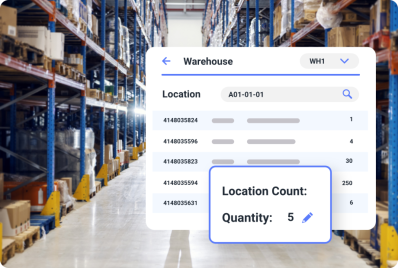
📷 Linnworks illustrates how orders from multiple channels are centralized into a single operational workflow. Source: vendor website/documentation.
💚 What we like
Strong rules-based order automation helps larger teams reduce repetitive routing and fulfillment decisions across channels.
Broad marketplace and shipping connectivity fits businesses whose operational complexity comes from selling in many places.
Unified order and inventory views give operations teams one place to manage exceptions instead of switching systems.
🟠 What to know
Pricing is sales-led, so buyers need a quote to understand the real cost at their order volume.
The platform makes most sense when multichannel complexity justifies a more structured onboarding and operating model.
💡 Why this score: Linnworks earns a high score for ecommerce fit, workflow control and multichannel order orchestration. It loses points on pricing transparency and implementation simplicity, which matter for smaller teams that may not need its deeper routing and automation capabilities.
💰 Pricing: Custom quote based on order volume and requirements; guided onboarding is included in the sales process.
✅ Best fit: Established multichannel ecommerce teams processing meaningful volume across marketplaces, warehouses and carriers, especially where routing automation can remove manual work.
🚫 Less ideal for: Early-stage merchants with one storefront, one warehouse and limited need for automation rules or complex order flows.
🧩 Key capabilities
Unified order queue
Inventory synchronization
Rules-based routing
Kits and bundles
Shipping integrations
Warehouse operations
🔎 Official sources: Product · Pricing · Documentation
🥉 3. Brightpearl
88/100 · 💰 Custom quote · 🧩 Advanced · 🏢 Growth / mid-market · ⚙️ Planned implementation
🎯 Best for: Scaling retailers that want inventory and order management tied closely to broader retail operations
⚡ Choose Brightpearl if you want inventory and orders connected to a wider retail operations platform rather than a standalone stock app.
Brightpearl is a retail operations platform that combines inventory, orders, purchasing, fulfillment workflows and financial operations for growing merchants. It is designed for retailers that need a central operational layer across stores, marketplaces and warehouses rather than a basic inventory utility. Its automation and integration model can reduce handoffs between systems, while the broader scope makes it a stronger fit for established teams that are prepared for a structured implementation.
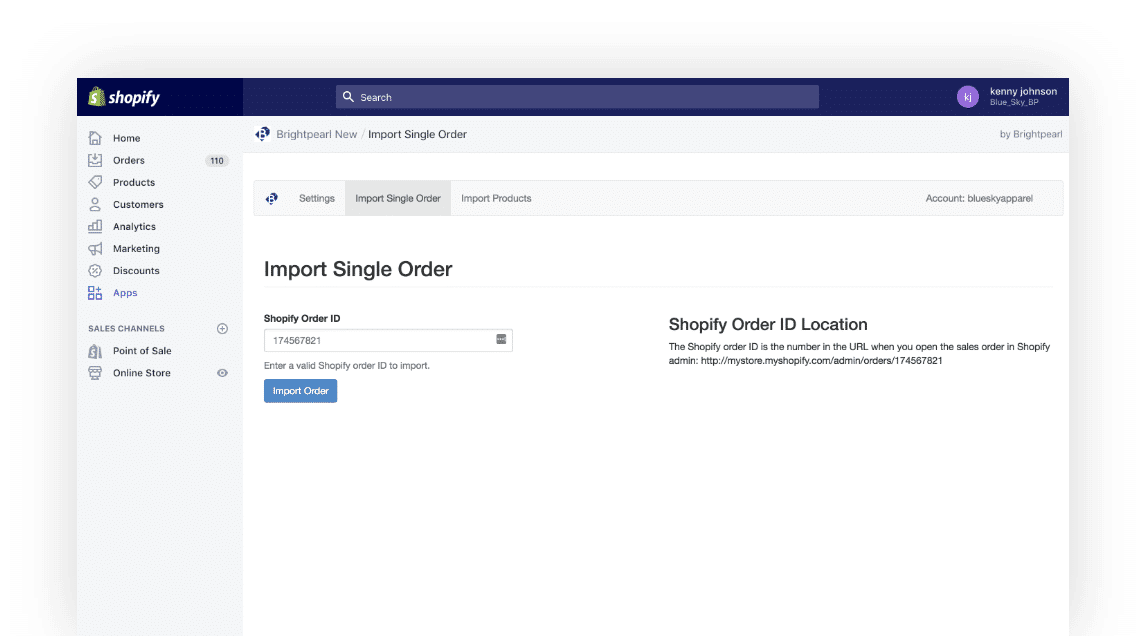
📷 Brightpearl’s Shopify integration view shows order import and operational data moving into the retail operations platform. Source: vendor website/documentation.
💚 What we like
Retail-focused workflows connect stock, orders, purchasing and operational finance more tightly than many inventory-only products.
Automation capabilities can reduce repetitive order handling and support more complex routing as the business scales.
Strong ecommerce integrations make it a credible operating layer for merchants running several storefronts and channels.
🟠 What to know
Pricing is bespoke, so total cost depends on the commercial package and implementation scope agreed with Brightpearl.
The broader retail operations scope can be excessive for merchants that only need straightforward stock synchronization.
💡 Why this score: Brightpearl scores well on core retail operations, ecommerce fit and workflow control. It is less accessible for smaller teams because pricing is custom and implementation is more structured, but that trade-off can be worthwhile for scaling retailers replacing fragmented systems.
💰 Pricing: Custom quote; Brightpearl describes pricing as tailored to the business and includes an implementation plan.
✅ Best fit: Scaling retail brands that need inventory, orders, purchasing, fulfillment and adjacent operational processes coordinated across multiple sales channels.
🚫 Less ideal for: Small sellers looking for a low-cost, self-serve inventory app with minimal implementation effort.
🧩 Key capabilities
Inventory management
Order management
Purchasing
Automation rules
Retail integrations
Operational finance
🔎 Official sources: Product · Pricing · Integrations
▫️ 4. Katana
86/100 · 💰 From $299/mo · 🧩 Medium–advanced · 🏢 SMB / growth · ⚙️ Self-serve + support
🎯 Best for: Product businesses that need inventory and ecommerce order control with manufacturing and materials planning
⚡ Choose Katana if you make or assemble products and need finished-goods inventory tied to materials, production and sales.
Katana blends inventory management with manufacturing resource planning, making it different from retail-first order systems. Ecommerce orders, raw materials, finished goods, production work and purchasing can be managed in one operational view. It is a particularly strong option for brands that manufacture, assemble or kit products themselves. Pure resellers may find some of that manufacturing depth unnecessary, but product makers gain a clearer link between demand, available materials and production capacity.
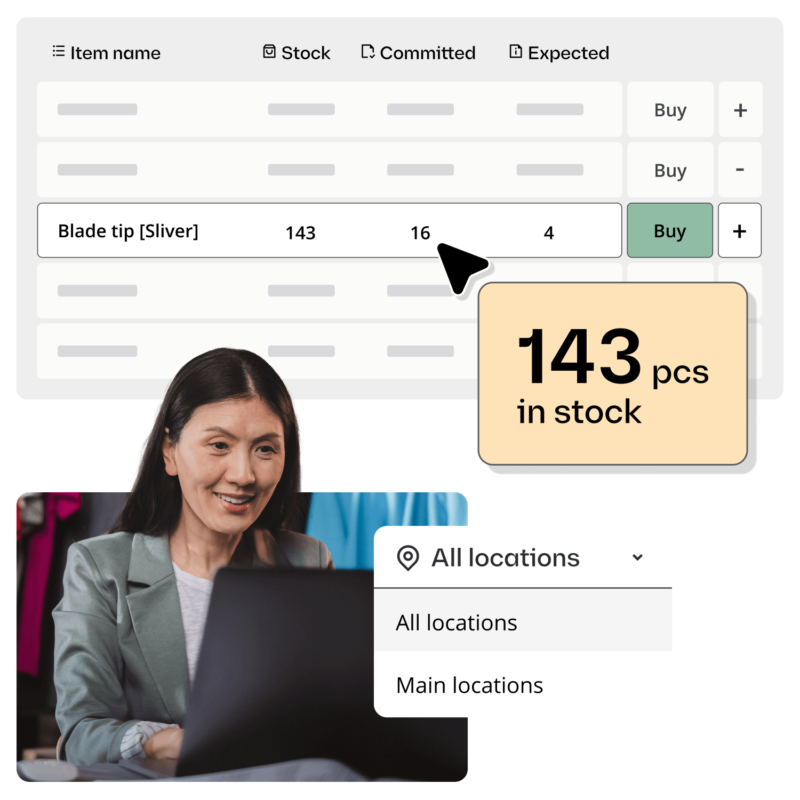
📷 Katana’s inventory interface highlights stock availability and material-driven workflows for product businesses. Source: vendor website/documentation.
💚 What we like
Manufacturing and inventory live together, helping product makers connect customer demand with materials and production work.
Public entry pricing gives buyers a clearer starting point than inventory suites that require a sales conversation.
Unlimited users and integrations on paid plans can simplify budgeting as the operating team grows.
🟠 What to know
Retailers that only buy and resell finished goods may not use enough manufacturing functionality to justify the platform.
Additional locations and more advanced requirements can raise cost beyond the headline Core plan price.
💡 Why this score: Katana scores strongly because it is excellent at the inventory job for manufacturing-led ecommerce and offers a clear workflow from materials to finished goods. Its ecommerce fit is slightly narrower than retail-first platforms, while its value remains attractive for growing makers.
💰 Pricing: Free plan for up to 30 SKUs; Core starts at $299/month; Advantage is custom priced.
✅ Best fit: Ecommerce brands that manufacture, assemble or customize products and need inventory, purchasing and production planning connected to sales channels.
🚫 Less ideal for: Pure resellers that want sophisticated marketplace order routing but have little or no manufacturing workflow.
🧩 Key capabilities
Material inventory
Production planning
Purchase orders
Sales order sync
Multi-location stock
Manufacturing integrations
🔎 Official sources: Product · Pricing · Integrations

▫️ 5. Veeqo
83/100 · 💰 Free / from $19 · 🧩 Medium · 🏢 SMB / growth · ⚙️ Self-serve
🎯 Best for: Marketplace-heavy sellers that want low-cost shipping, inventory sync and warehouse workflows in one tool
⚡ Choose Veeqo if shipping is central to your operation and you want inventory control without a high software entry cost.
Veeqo combines multichannel inventory, order and shipping workflows, with a particularly attractive entry point for sellers that already need shipping software. The inventory layer synchronizes stock across channels and warehouses, while paid inventory plans add forecasting and operational tools. It is a practical fit for small and growing marketplace sellers that value cost efficiency and fulfillment workflow. More complex mid-market operations may eventually need deeper purchasing, planning or enterprise controls.

📷 Veeqo shows stock replenishment and synchronized marketplace inventory as part of its multichannel workflow. Source: vendor website/documentation.
💚 What we like
Free shipping software and low-cost inventory plans create an unusually accessible entry point for multichannel sellers.
Inventory synchronization, digital picking and shipping sit close together, reducing handoffs in day-to-day fulfillment work.
Unlimited orders, users, SKUs and warehouses on the free shipping plan make initial adoption easy to evaluate.
🟠 What to know
The inventory product is lighter than broad mid-market suites for complex purchasing, planning and financial operations.
Teams with unusual workflows should verify channel and carrier coverage before relying on Veeqo as the central operating layer.
💡 Why this score: Veeqo scores well on ecommerce fit and pricing value because it combines practical multichannel inventory with shipping at a low entry cost. Its lower scale score reflects a lighter operational scope than the broadest mid-market inventory and retail operations suites.
💰 Pricing: Shipping plan is free; Inventory starts at $19/month; High Volume starts at $350/month.
✅ Best fit: Small and growing multichannel sellers that want inventory synchronization and fulfillment workflows with strong shipping economics.
🚫 Less ideal for: Complex manufacturers or larger retailers that need deep purchasing, enterprise workflow control or broad back-office functionality.
🧩 Key capabilities
Inventory sync
Order management
Shipping labels
Digital picking
Stock forecasting
Warehouse support
🔎 Official sources: Product · Pricing · Documentation
▫️ 6. Zoho Inventory
81/100 · 💰 From $29/mo · 🧩 Medium · 🏢 SMB / growth · ⚙️ Self-serve
🎯 Best for: Small businesses that want capable inventory and order management at a transparent monthly price
⚡ Choose Zoho Inventory if you want a broad inventory feature set without paying mid-market software prices.
Zoho Inventory provides multi-warehouse stock control, order management, purchasing, shipping connections and reporting inside the wider Zoho ecosystem. Its transparent pricing makes it easy for smaller businesses to evaluate, and it can cover a meaningful amount of operational complexity before a merchant needs a heavier platform. The trade-off is that very high-volume or deeply customized operations may prefer more specialized enterprise workflow and warehouse tooling.
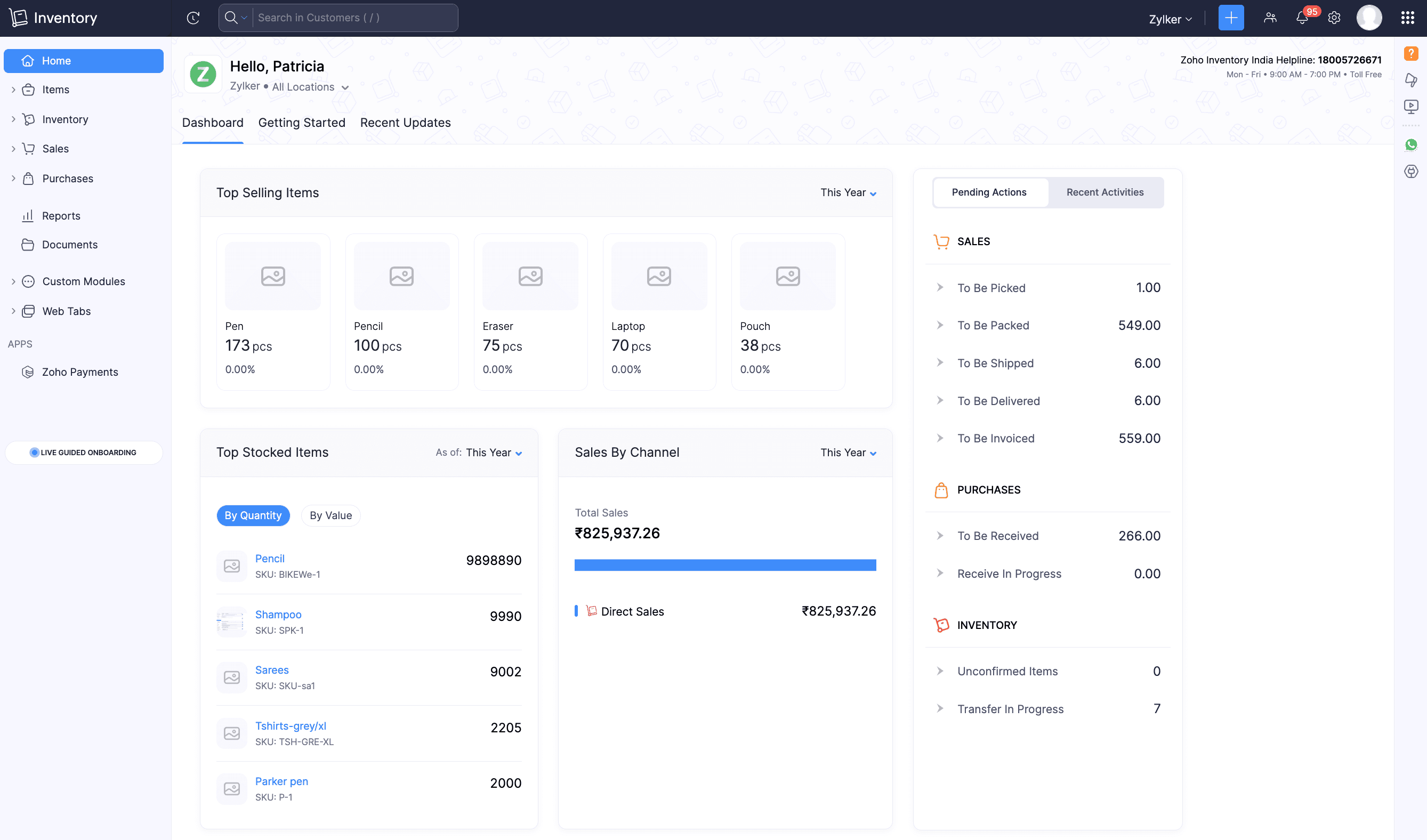
📷 Zoho Inventory’s dashboard summarizes sales activity, stock and purchasing information in one operational view. Source: vendor website/documentation.
💚 What we like
Transparent pricing makes it easier for smaller merchants to forecast software cost before committing to implementation.
Broad inventory, purchasing and order features cover more operational ground than many similarly priced small-business tools.
Integration with the wider Zoho suite can reduce friction for businesses already using Zoho finance or customer tools.
🟠 What to know
Very complex routing, warehouse automation or enterprise governance requirements may exceed the platform’s natural sweet spot.
Some buyers may need additional Zoho products or third-party integrations to cover the full operational stack.
💡 Why this score: Zoho Inventory earns strong value points because it offers a broad practical feature set at transparent small-business pricing. It scores lower than the leaders on advanced workflow control and scale, but remains a compelling choice for cost-conscious SMB operators.
💰 Pricing: Standard $29/month, Premium $79/month, Plus $129/month and Enterprise $249/month when billed annually.
✅ Best fit: Small and midsize ecommerce businesses that need multi-warehouse inventory, purchasing and order management with predictable pricing.
🚫 Less ideal for: Large enterprises requiring highly customized order orchestration, advanced warehouse execution or complex implementation governance.
🧩 Key capabilities
Multi-warehouse stock
Sales orders
Purchase orders
Serial and batch
Shipping integrations
Inventory reports
🔎 Official sources: Product · Pricing · Documentation
▫️ 7. Extensiv
80/100 · 💰 Custom quote · 🧩 Advanced · 🏢 Mid-market / 3PL · ⚙️ Guided implementation
🎯 Best for: Complex multichannel operations and 3PL-connected brands that need distributed order and inventory workflows
⚡ Choose Extensiv if your inventory and orders span several channels, warehouses, fulfillment partners or third-party logistics providers.
Extensiv Order Manager is aimed at merchants and logistics-heavy operations that need to coordinate orders, inventory and fulfillment across multiple systems. It sits naturally in environments with third-party logistics providers, distributed warehouses and many selling channels, supported by Extensiv’s integration products and logistics ecosystem. That breadth is valuable for complex operations, but it also means the platform is more sales-led and implementation-oriented than lightweight inventory software.
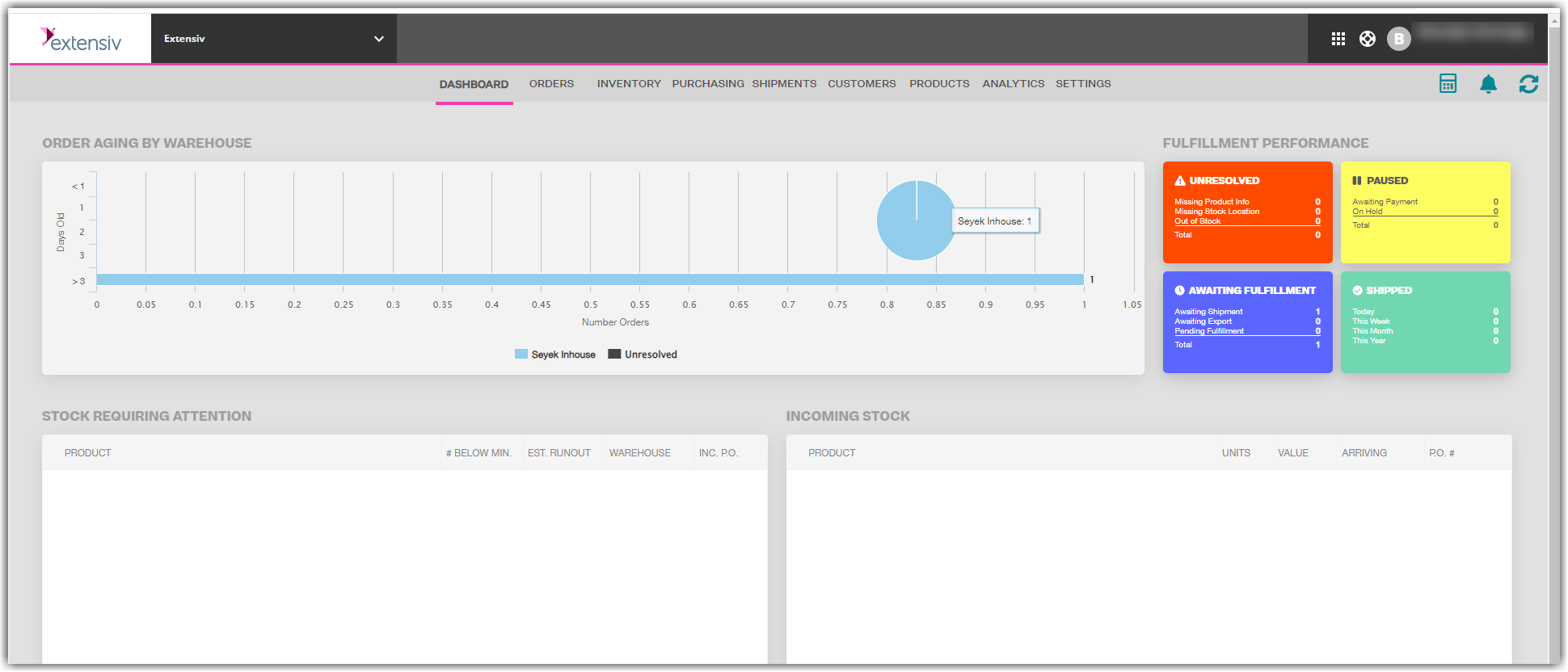
📷 Extensiv Order Manager’s dashboard surfaces order and inventory activity for teams coordinating multichannel operations. Source: vendor website/documentation.
💚 What we like
Strong order and inventory orchestration fits merchants with distributed fulfillment and third-party logistics relationships.
Extensiv’s broader logistics ecosystem can reduce integration gaps between merchants, warehouses and fulfillment providers.
Operational dashboards and automation help teams manage exceptions across channels without living in separate seller portals.
🟠 What to know
Order Manager pricing is not published, so buyers need a sales process to establish software and implementation cost.
The platform is more complex than necessary for straightforward single-warehouse ecommerce operations.
💡 Why this score: Extensiv scores well for ecommerce fit, distributed workflow control and integrations, especially in logistics-heavy operating models. It gives up points on pricing transparency and simplicity, making it less attractive for smaller businesses that do not need multi-node orchestration.
💰 Pricing: Custom quote for Extensiv Order Manager; commercial terms depend on the required products and operating scope.
✅ Best fit: Mid-market merchants, aggregators and 3PL-connected brands coordinating inventory and orders across several channels, warehouses and fulfillment partners.
🚫 Less ideal for: Small single-store merchants whose main requirement is affordable stock tracking and basic purchase orders.
🧩 Key capabilities
Distributed inventory
Order orchestration
Channel integrations
3PL connectivity
Workflow automation
Operational dashboards
🔎 Official sources: Product · Order management · Documentation
▫️ 8. Unleashed
78/100 · 💰 From $399/mo · 🧩 Medium–advanced · 🏢 SMB / mid-market · ⚙️ Guided setup
🎯 Best for: Wholesalers and product businesses that need strong stock, purchasing and product-cost control across locations
⚡ Choose Unleashed if purchasing, product costing and stock visibility matter more than sophisticated marketplace order routing.
Unleashed focuses on inventory control for product businesses, including purchasing, sales orders, multi-warehouse stock, product costs, assemblies and reporting. It is well suited to wholesalers, distributors and brands that care deeply about inventory accuracy and purchasing discipline. Ecommerce integrations extend it into online selling, but it is less marketplace-orchestration-centric than Linnworks or Veeqo. Buyers should view it as an inventory and product operations system first, with ecommerce connectivity around that core.

📷 Unleashed’s official dashboard demo shows stock and operational metrics available to inventory teams. Source: vendor website/documentation.
💚 What we like
Deep stock, purchasing and product-cost workflows suit businesses where inventory accuracy is central to financial control.
Multi-warehouse and assembly features support more complex product operations than lightweight ecommerce inventory apps.
Public pricing gives buyers a clearer basis for budgeting before they enter an implementation conversation.
🟠 What to know
The starting price is materially higher than small-business inventory tools, especially for teams with simple requirements.
Marketplace-first sellers may prefer a platform with deeper native order routing and channel workflow automation.
💡 Why this score: Unleashed scores strongly on core inventory management and operational control, particularly for wholesalers and product businesses. It ranks lower on ecommerce-specific orchestration and value because its pricing starts above lighter SMB tools while marketplace workflows are not its primary focus.
💰 Pricing: Core $399/month and Pro $729/month on monthly billing; annual billing offers a lower effective monthly rate.
✅ Best fit: Wholesalers, distributors and established product businesses that need rigorous inventory, purchasing, costing and multi-warehouse control.
🚫 Less ideal for: Marketplace-first microbusinesses looking for inexpensive stock sync and shipping automation rather than deeper inventory operations.
🧩 Key capabilities
Inventory control
Purchase management
Multi-warehouse stock
Assemblies
Product costing
Sales orders
🔎 Official sources: Product · Pricing · Documentation
▫️ 9. Descartes Finale
77/100 · 💰 From $499/mo · 🧩 Advanced · 🏢 Growth / mid-market · ⚙️ Guided implementation
🎯 Best for: High-SKU ecommerce and warehouse teams that need detailed stock control, barcode workflows and replenishment
⚡ Choose Descartes Finale if warehouse accuracy and multi-location inventory control have become more important than having the simplest interface.
Descartes Finale is a cloud inventory and warehouse platform for ecommerce, wholesale and distribution operations with more demanding stock-control needs. It supports multi-location inventory, purchasing, barcode workflows, bundles, replenishment and marketplace integrations. The product is particularly relevant when inventory accuracy and warehouse execution are operational priorities. Its starting price and implementation profile place it above entry-level inventory apps, so the business case is strongest once complexity and volume justify that investment.

📷 Finale’s multi-warehouse interface gives operators a location-level view of stock quantity and valuation. Source: vendor website/documentation.
💚 What we like
Strong warehouse and barcode workflows help teams improve control as SKU count, locations and operational volume increase.
Multi-location purchasing and replenishment features support businesses that need more than simple stock synchronization.
Ecommerce, accounting and marketplace integrations make the platform viable as a central stock system for online sellers.
🟠 What to know
The $499 monthly starting point is significantly above lightweight inventory tools aimed at small merchants.
Implementation is better suited to teams willing to formalize warehouse and inventory processes rather than self-serve casually.
💡 Why this score: Finale scores well on core inventory depth, warehouse control and ecommerce relevance. It ranks below the leaders because the price floor is higher and the implementation is more operationally involved, while broader retail suites offer more adjacent functionality.
💰 Pricing: Essentials starts at $499/month; Growth starts at $799/month; Enterprise pricing is custom.
✅ Best fit: Growing ecommerce, wholesale and distribution businesses with multiple locations, high SKU counts or barcode-driven warehouse operations.
🚫 Less ideal for: Very small merchants that need basic inventory sync and are highly sensitive to monthly software cost.
🧩 Key capabilities
Multi-warehouse inventory
Barcode scanning
Purchase orders
Kits and bundles
Replenishment
Accounting integrations
🔎 Official sources: Product · Pricing · Documentation
▫️ 10. Fishbowl
75/100 · 💰 From $229/mo · 🧩 Advanced · 🏢 SMB / mid-market · ⚙️ Required implementation
🎯 Best for: Inventory-heavy businesses that need warehouse or manufacturing depth and close accounting-system integration
⚡ Choose Fishbowl if your operation needs serious warehouse or manufacturing inventory controls rather than ecommerce-first order automation.
Fishbowl is an inventory platform with strong warehouse and manufacturing roots. It covers purchasing, multi-location stock, work orders, barcode processes and accounting connectivity, making it a good fit for product businesses that need operational depth beyond a storefront. Ecommerce integrations are available, but the product is not as ecommerce-native as several higher-ranked options. Required implementation also makes it a more deliberate purchase than a self-serve small-business inventory app.

📷 Fishbowl’s inventory dashboard visualizes stock and operating metrics for warehouse and product teams. Source: vendor website/documentation.
💚 What we like
Warehouse and manufacturing functionality supports operational scenarios that many ecommerce-first inventory tools handle only lightly.
Accounting integrations are a central part of the product proposition for inventory-heavy businesses with established finance workflows.
Multiple product editions let buyers lean toward warehouse or manufacturing depth depending on the operating model.
🟠 What to know
Required implementation adds cost and commitment compared with self-serve inventory products that can be trialed quickly.
Ecommerce order orchestration is less central to the product than warehouse, manufacturing and accounting-linked inventory workflows.
💡 Why this score: Fishbowl scores well for core inventory depth and advanced warehouse or manufacturing use cases. It ranks lower on ecommerce fit and implementation simplicity because the product is operations-first, requires implementation, and may need more integration work for marketplace-heavy sellers.
💰 Pricing: Fishbowl Inventory starts at $229/month billed annually; Advanced Warehouse starts at $595/month and Manufacturing at $675/month, plus required implementation.
✅ Best fit: Inventory-heavy SMB and mid-market businesses that value warehouse or manufacturing depth and tight accounting integration.
🚫 Less ideal for: Marketplace-led sellers that prioritize native multichannel order routing, rapid self-serve setup and low entry cost.
🧩 Key capabilities
Warehouse inventory
Manufacturing inventory
Purchase orders
Barcode workflows
Work orders
Accounting integrations
🎯 Build your shortlist
Choose Cin7 when you need the broadest balance of inventory, purchasing, warehouse and ecommerce connectivity.
Choose Linnworks when multichannel order routing and fulfillment automation are the main operational problem.
Choose Brightpearl when inventory should sit inside a wider retail operations platform for a scaling brand.
Choose Katana when manufacturing, materials and production planning are inseparable from ecommerce inventory.
Choose Veeqo or Zoho Inventory when value, transparent pricing and faster adoption matter most.
Choose Extensiv, Unleashed, Descartes Finale or Fishbowl when your operating model needs their deeper logistics, inventory, wholesale or warehouse strengths.
🧪 Run this test before you buy
Do not choose from a polished demo alone. Build a small but realistic test pack from your own operation and ask every shortlisted vendor to handle the same data and exceptions. The goal is to see where each system requires configuration, manual work or an additional integration before you commit to a migration.
Import the same 100 representative SKUs, including variants and bundles.
Connect the same primary storefront and one marketplace channel.
Create inventory across two locations and transfer stock between them.
Receive a purchase order with a partial receipt and a backordered line.
Process an order that must be split across two fulfillment locations.
Sell a bundle and confirm component inventory decrements correctly.
Cancel and refund an order after stock has already been allocated.
Reconcile one week of order, stock and shipment updates against the sales channels.
Export inventory valuation and verify how accounting integration handles the same period.
Add a new warehouse or sales channel and document the configuration steps required.
📏 Record the same things for every vendor: setup time, manual clicks, sync delay, errors, exception handling, required add-ons, integration gaps and the monthly cost at your real order, user and location volume.
🧾 10 questions to ask in every demo
Which order, user, SKU, warehouse or integration limits change our monthly bill?
What implementation work is owned by your team versus ours or a partner?
How frequently do inventory quantities and order statuses synchronize with each connected channel?
How do allocation and routing rules behave when a location is out of stock?
How are bundles, kits and assemblies represented, reserved and replenished?
Which accounting systems receive inventory valuation and cost-of-goods data natively?
What warehouse workflows are native, and which require a separate WMS product or integration?
How do we diagnose failed channel syncs, duplicate orders or inventory discrepancies?
What support and onboarding are included after go-live, and what costs extra?
How can we export products, orders, inventory history and configuration if we later switch systems?
❓ Frequently asked questions
What is ecommerce inventory and order management software?
It is software that keeps stock records aligned with purchasing and customer orders across one or more sales channels and locations. The inventory side tracks what is available, incoming and reserved. The order side brings orders into a workflow for allocation, routing and fulfillment. More advanced products add warehouse processes, automation, bundles, accounting connections and multi-location replenishment.
How is inventory management different from a warehouse management system?
Inventory management focuses on quantities, availability, purchasing and stock value across the business. A warehouse management system, often abbreviated WMS, goes deeper into physical warehouse execution such as receiving, putaway, picking, packing and bin-level movement. Some products in this comparison include meaningful warehouse workflows, while others integrate with a separate WMS when operations become more complex.
Which inventory software is best for Shopify sellers?
The right choice depends on what is becoming difficult around Shopify. Zoho Inventory and Veeqo are accessible options for smaller operators, Cin7 and Brightpearl suit broader retail operations, Katana is strong when the brand manufactures products, and Linnworks is more relevant when Shopify is one of many channels. Test the same orders, locations and bundle rules before choosing.
How much does ecommerce inventory software cost?
Public entry pricing in this comparison ranges from low double-digit monthly plans to several hundred dollars per month, while Linnworks, Brightpearl and Extensiv use custom quotes for the relevant products. Cost often rises with orders, users, warehouses, integrations or implementation. Compare the price at your actual operating volume rather than the smallest advertised plan.
When does a business need a dedicated inventory system?
A dedicated system becomes useful when stock and order coordination starts creating recurring manual work or customer risk. Common triggers include selling on several channels, using more than one warehouse, frequent purchasing, bundles, overselling, complex fulfillment routing or difficulty reconciling inventory with accounting. A simple single-channel store can often wait until those problems are real.
What is order routing in inventory software?
Order routing is the logic that decides where an order should be fulfilled. Rules can consider stock availability, warehouse location, sales channel, shipping service or other operational criteria. For a multichannel business this can remove hundreds of manual decisions, but buyers should test how the system handles split orders, unavailable stock and exceptions before relying on automation.
🔍 About this research
MarketMaze researches and scores each tool using its proprietary scoring methodology. Product details and pricing are checked against official vendor sources. Screenshots are from vendor websites, documentation, official demos, or MarketMaze product captures and are used to illustrate the products being reviewed.
Last research check: 26 September 2026.
